

Wear It AI Wants to Turn Everyday Shoppers Into Paid Fashion Creators
Kitty Yeung explains how Wear It AI pays creators for AI-generated fashion content. LEVEL examines the opportunity, reported earnings and questions about transparency.
 Por Revista Level

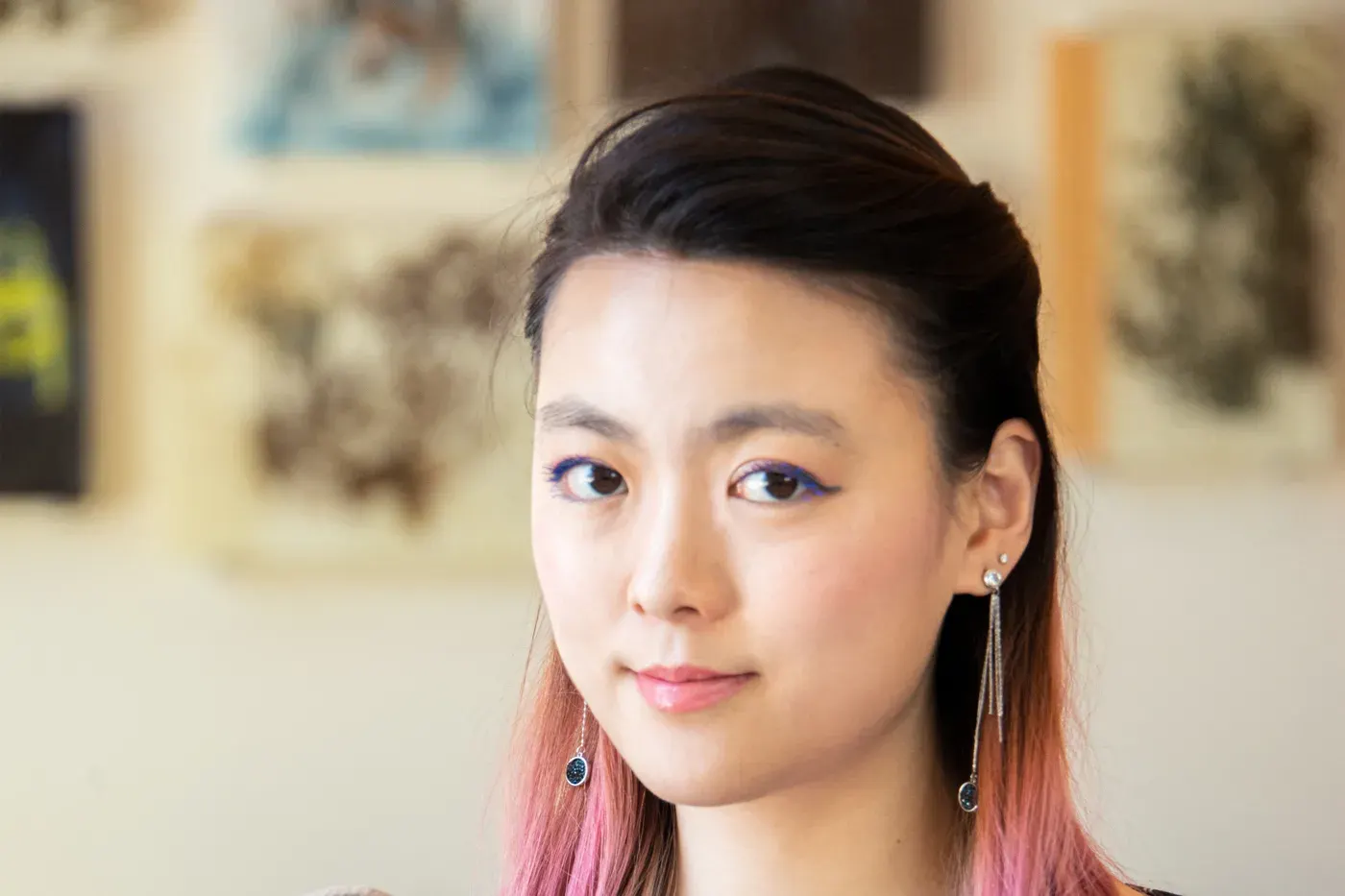
Someone can appear on social media wearing a dress they have never received, publish the image and get paid for helping sell it. The dress exists. So does the person. What never happened was the encounter between them.
That separation is the foundation of Wear It AI, a platform that lets people create images featuring products from brands and retailers, share them and earn money. Its founder and CEO, Kitty Yeung, wants to turn everyday shoppers into a network of paid creators.
The ambition goes beyond making photo shoots cheaper. If a brand can showcase its products through many people without sending them clothes, it changes the cost of producing advertising and broadens participation. It also makes what we are looking at less obvious: a styling suggestion, an advertisement or a recommendation based on experience.
One Photo, Two Ways to Earn
In emailed responses to LEVEL, Yeung explains that creators can earn money in two ways: a payment for each approved post in a brand-funded campaign, and a commission on the sales they generate.
The company connects two groups that need each other. Creators contribute images and access to their communities; brands provide products and budgets. Artificial intelligence makes it possible to produce the content without arranging a photo shoot or receiving physical samples.
According to Yeung, Wear It has more than 30,000 creators, with hundreds of brands listing millions of products. She says some of its top creators have earned thousands of dollars in a single month.
That describes the highest earners, not the typical income. The responses do not include median earnings, the number of people who have received payments or the share of creators who secure campaigns. For someone considering joining, those distinctions matter as much as the ease of creating an image.
The company’s press release illustrates its proposition with a comparison: a $1,000 budget could be distributed among 100 small creators receiving $10 each. This is a commercial example, not a universal rate. But it reveals the business logic: spread advertising production across more people and reduce the cost per piece. Access to payment where none existed before can be an opportunity. Whether that payment compensates for creation time, revisions and access to an audience is a separate question.
What Happens After the Click
Yeung says early campaigns brought more than 100,000 visitors to brands’ websites, with those visitors converting at roughly the same rate as each brand’s usual traffic.
In its responses, the company did not provide specific conversion rates, the measurement period or the revenue attributable to those visits. LEVEL could not independently verify the figures. Reported traffic suggests interest; on its own, it does not establish profitability for a brand or sustained income for creators.
That makes Yeung’s chosen measure of success revealing. Asked what success would look like over the next six months, she pointed to increasing the number of brands returning for repeat campaigns.
Securing an initial trial gets a product in front of a customer. Getting that customer to return requires a reason to keep paying.
Real People, Simulated Experiences
The proposition could also broaden who appears in fashion advertising. In materials sent to LEVEL, the company describes a brand serving mothers of the bride that struggled to find creators in their 40s and 50s. Having only one sample of a garment, in a single size, limited its options for producing images.
Digital generation could allow that garment to be shown on different women without distributing inventory. That matters in an industry where decisions about whom to photograph help determine who becomes visible.
But showing a range of bodies is not the same as demonstrating how a garment actually fits them. A generated image cannot establish its drape, comfort or fit. It can help someone imagine an outfit; it cannot replace the experience of wearing it.
LEVEL asked Yeung how the company would ensure transparent disclosure of AI-generated fashion imagery. She replied that content creation methods, including AI or Photoshop, are left to creators’ discretion. She also said transparency builds trust, but did not specify a requirement to label synthetic images.
That gap deserves attention. Someone can recommend a color combination without having tried on the dress. It is another matter if an image leads an audience to assume an experience that never took place.
The Value of a Recommendation
Wear It AI wants to turn everyday creativity into paid work. Its test will be to demonstrate how much of that value reaches the people producing the content, and what information reaches the person buying the product. Technology can remove the need to put on a dress. It does not erase the difference between showing it and knowing it.
¿Te quedaste con ganas de más?
© Revista Level. Prohibida su reproducción parcial o total, así como su traducción a cualquier idioma, sin autorización escrita de su autora o autor y de Revista Level.